

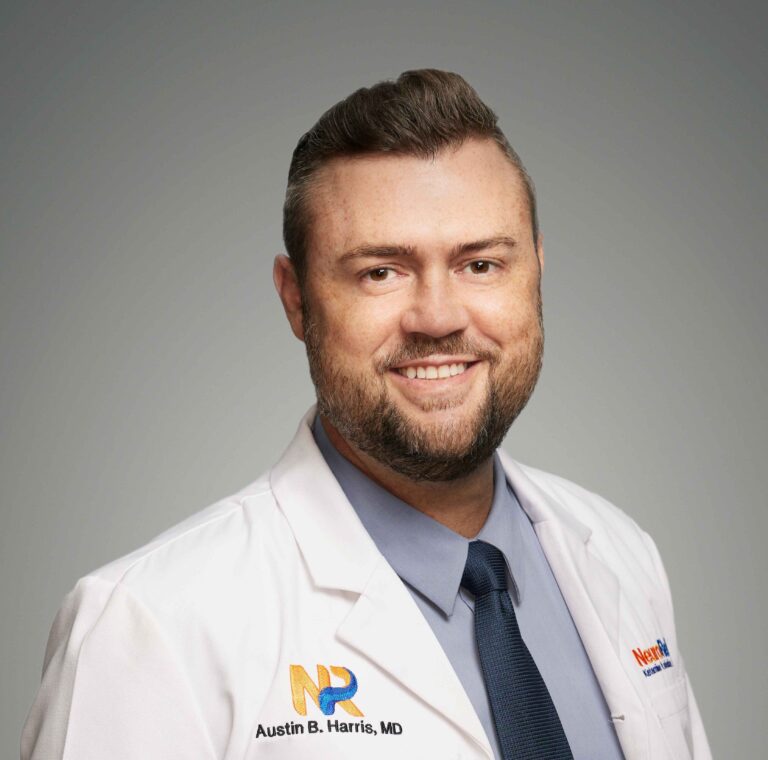
Improvements in medical imaging have transformed the way in which physicians method complex techniques, and one of the very most important tools in cardiac care nowadays is echocardiography. Austin Harris MD, a number one determine in cardiovascular medicine, has specific years to demonstrating how real-time cardiac imaging may considerably increase operative achievement rates. His work stresses that when surgeons have distinct, vibrant opinions of one's heart, they are empowered to produce more specific choices, minimize difficulties, and finally offer greater outcomes for patients.
Echocardiography provides a special benefit since it allows medical teams to see the heart's framework, function, and blood movement without the necessity for unpleasant methods. Dr. Harris shows that this noninvasive imaging strategy offers data that could otherwise require much more complex procedures. It has become a cornerstone of preoperative evaluation, supporting surgeons approach interventions with a further comprehension of patient-specific cardiac conditions.
One of the most crucial contributions of echocardiography is their power to find abnormalities that might not be apparent through bodily exams or typical diagnostic tools. Dr. Harris frequently describes that many operative issues happen because hidden structural issues are only found once the surgery has recently begun. By utilizing echocardiography beforehand, surgeons get important insights into device performance, wall action, and possible obstructions. This understanding helps them foresee challenges and alter their technique accordingly.
During surgeries, intraoperative echocardiography is becoming required for guiding complex cardiac procedures. Dr. Harris points out that surgeons may monitor the center in realtime, allowing quick evaluation of these interventions. As an example, following restoring a device or solving a architectural flaw, echocardiography can validate whether the fix was successful or if more change is needed. This decreases the likelihood of postoperative difficulties and often decreases the necessity for replicate surgeries.
Beyond its use all through operations, echocardiography represents an important position in postoperative care. Austin Harris MD describes that standard follow-up imaging assists physicians determine healing and identify early signs of complications. Because the heart can transform significantly following a significant process, constant tracking assures that individuals get timely modifications to their treatment plan. This loyal position of echocardiography plays a part in long-term operative accomplishment and increased over all cardiovascular health.
Technological improvements have expanded the features of echocardiographic imaging, which makes it much more useful in contemporary operative planning. Three-dimensional and Doppler imaging today provide very step by step visualizations, increasing the accuracy of diagnoses and interventions. Dr. Harris highlights that these innovations enable a far more comprehensive evaluation of the heart's geometry and purpose, permitting surgeons to handle actually probably the most complex conditions with larger confidence.

Training and cooperation also play a major part in improving outcomes. Dr. Harris usually advocates for multidisciplinary teamwork, wherever cardiologists, surgeons, and imaging specialists function directly together. By ensuring that all staff customers realize the nuances of echocardiographic knowledge, the entire operative process becomes more streamlined and effective. That collaborative atmosphere strengthens the quality of treatment and leads to raised outcomes for individuals considering cardiac procedures.
As echocardiography continues to evolve, their affect medical achievement costs is expected to cultivate actually further. Dr. Harris's work shows that mixing sophisticated imaging with expert medical judgment may transform patient experiences and raise the conventional of cardiac care.